

Picture this: you walk into your local Pep Boys and see 50%-off signs, empty shelves, and a “Store Closing” banner hanging near the entrance. Your first thought is probably that the whole company is done. That reaction makes sense — but it’s not the full picture.
Pep Boys is not dying in the way most people assume. What’s happening is more specific, and once you understand it, the store closures and brand changes start to make a lot more sense.
This article covers whether Pep Boys is shutting down entirely, why so many locations are closing or converting, who actually owns the company, what services are still available, and what customers should do right now.
The Short Answer: Pep Boys Is Not Shutting Down, But It Is Shrinking
Pep Boys has not declared bankruptcy. There has been no announcement of a full chain liquidation. The company still operates service centers across the country and continues to take appointments for oil changes, tire installs, brake jobs, and other repairs.
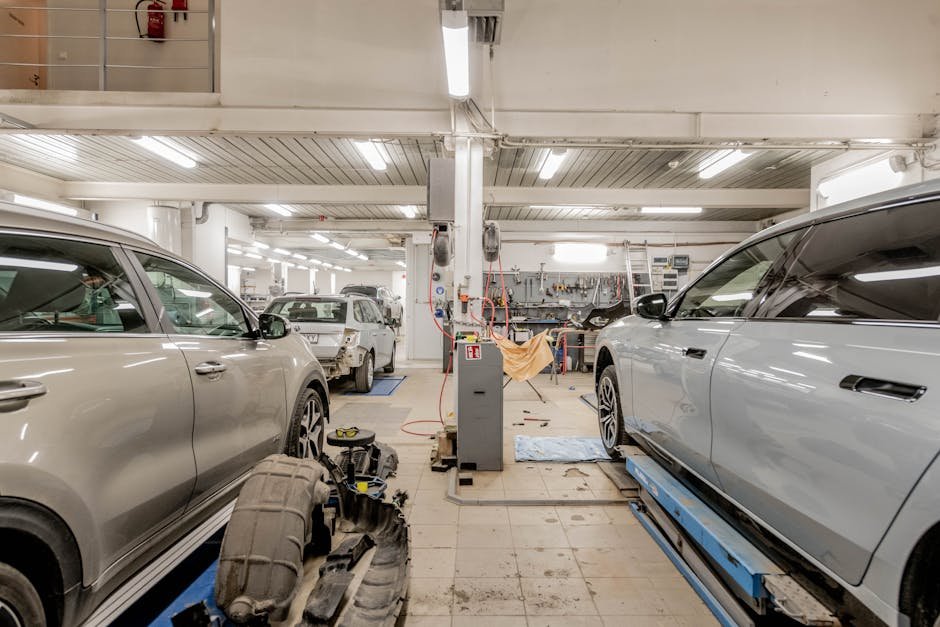
What is happening is a deliberate shift in business model. Pep Boys is moving away from being a walk-in retail auto parts store and leaning hard into being an auto service and tire provider. That shift means closing or converting a large number of retail locations — which, from the outside, looks like a company falling apart.
The key distinction: some stores are closing entirely, while others are dropping the retail parts section but keeping the service bays open under the Pep Boys name. These are two very different outcomes, and lumping them together leads to the “going out of business” headline that spreads quickly online.
What Pep Boys Used to Be and How the Business Changed
Pep Boys was founded in 1921 in Philadelphia. Four partners started the business, and the “Manny, Moe & Jack” branding became one of the more recognizable names in American auto retail. Over the following decades, the chain grew into a national presence built on a hybrid model: a retail auto parts store on one side of the building, and service bays on the other.
That model worked well for a long time. Customers could buy a battery, ask a staff member a technical question, and schedule a repair all in one place. It was a genuine one-stop shop before that phrase got overused.
In 2016, Icahn Enterprises acquired Pep Boys and took the company private. That’s an important detail. Going private removed the pressure of quarterly earnings reports and public shareholder expectations. It gave leadership more room to make long-term structural changes — the kind that look painful in the short term but are harder to execute when investors are watching every quarter.
Why Pep Boys Pulled Back from Retail Auto Parts
Selling auto parts over the counter has become a difficult business. Amazon stocks virtually every part imaginable. AutoZone, O’Reilly, and Advance Auto Parts have massive retail networks, aggressive pricing, and strong brand loyalty. Competing directly against all of them at once is not a sustainable position for a mid-sized chain.
Consumer behavior has also shifted. More people are comfortable ordering parts online and either installing them at home or taking them to an independent mechanic. The traditional walk-in parts store model depends on foot traffic that is simply declining across the board.
Auto service is a different story. You cannot order an oil change on Amazon and have it show up at your door. A brake job requires a technician, a lift, and real labor. These services are harder to replicate online, and they generate higher margins because the business captures both the part cost and the labor charge in a single transaction.
The brake pad example is a clean illustration. Under the old model, a customer buys a set of brake pads at the counter, takes them home, and installs them — or has a friend do it. Pep Boys made money only on the parts sale. Under the new model, the customer books a brake job, Pep Boys supplies the pads and does the installation, and the business earns on both. That’s a structurally better transaction for the company.
This is the logic behind the pivot. It’s not a panicked reaction — it’s a response to where the margins actually are.
Store Closures, Location Conversions, and the AutoZone Confusion
A lot of the public confusion comes from specific transactions that weren’t clearly explained to customers at the time.
In several U.S. markets, the retail parts section of a Pep Boys store has been converted to an Advance Auto Parts storefront — while the service bays at the same address continue operating. A customer who drove by yesterday and saw “Pep Boys” and drives by today and sees “Advance Auto Parts” reasonably assumes something dramatic happened to the company. In reality, it was a conversion deal, not a corporate takeover.
In Puerto Rico, Pep Boys leased its retail locations to AutoZone. Customers now walk into AutoZone-branded stores at addresses that used to be Pep Boys. That has fueled widespread speculation online that AutoZone bought Pep Boys outright. It did not.
Pep Boys is owned by Icahn Enterprises. AutoZone’s involvement is limited to leasing specific retail properties in Puerto Rico. Advance Auto Parts taking over some retail sections is a conversion arrangement, not a corporate acquisition. These are real estate and partnership-level deals, not a change in who owns the Pep Boys brand.
Think of it like a department store that closes its electronics section but keeps its tire shop and service center running. To shoppers, it looks like the store is going under. To management, it’s cutting the underperforming piece and protecting the profitable one.
What This Means for Customers Right Now
If your local Pep Boys recently closed or converted, here’s what matters practically:
- Check the store locator. The Pep Boys website has a location finder that shows currently open service centers. The nearest one may be a few miles away, or it may require a longer drive depending on your market.
- Verify what services are available. Some locations are full-service with retail parts. Others are service-only. It’s worth calling ahead if you need a specific part or service.
- Warranties and service records. If you had work done or bought tires with a warranty at a closed location, Pep Boys typically honors that coverage at other open locations. Contact customer service directly to confirm and get the nearest valid service center.
- Gift cards. If you hold a Pep Boys gift card, use it at an open location or check with customer service on current redemption policies.
The short version: don’t assume the whole brand has disappeared just because your nearest store closed. There may still be a working service center within a reasonable distance.
Is It Safe to Use Pep Boys Right Now?
This is a fair question when a company is visibly shrinking. The honest answer is: yes, with normal caution.
Pep Boys is not in bankruptcy. There’s no evidence of an imminent total shutdown. If you need a tire install, an oil change, or a brake inspection, booking an appointment at an open Pep Boys location is not a risky move.
The bigger consideration is long-term warranty coverage. If you’re getting a major repair — something with a multi-year parts and labor warranty — it’s reasonable to ask the service advisor how the warranty would be handled if that specific location closes. That’s a smart question to ask at any chain undergoing consolidation, not just Pep Boys.
For more practical business coverage like this, The Business Briefs breaks down what’s actually happening inside companies and industries without the noise.
Where Pep Boys Goes from Here
Based on current direction, the most likely outcome is a leaner Pep Boys focused almost entirely on auto service and tires, with fewer but more intentional locations. The retail parts chapter of the business appears to be largely over — at least as a core offering.
Whether that strategy succeeds depends on execution. Firestone, Midas, and Jiffy Lube all compete in the service space, and none of them are easy to displace. Pep Boys will need to compete on price, convenience, and trust to hold onto customers who used to value the full-service-plus-retail experience.
Further property sales, lease arrangements, or regional partnerships are likely as the company continues trimming locations that don’t meet the new model’s requirements. That will probably mean more “Store Closing” signs in specific markets over the next few years — which will continue to generate the same “Is Pep Boys going out of business?” searches.
The answer will likely remain the same: no, not entirely — but yes, it’s a smaller and more focused company than it used to be.
The Bottom Line
Pep Boys is not going out of business in any complete or imminent sense. What’s happening is a real and significant restructuring — closing retail parts locations, converting some sites to other brands, and doubling down on auto service and tires as the core business.
The company is still owned by Icahn Enterprises. AutoZone did not buy it. Advance Auto Parts did not acquire it. The confusion comes from specific conversion and lease deals that changed the look of individual locations without changing who owns the brand.
If you’re a customer, check the store locator, call ahead before driving, and ask about warranty coverage if you’re getting major work done. If you’re watching this as a business story, it’s a straightforward example of a legacy retail chain making a late but logical move to protect its most defensible revenue source before the retail side became a drag it couldn’t recover from.
Read Also: